Things to Ask Before Buying a Car GPS Tracker
We live in a world where real-time information is the norm. We can track food deliveries, monitor bank accounts instantly, and receive alerts the moment something changes. Yet for many drivers, one important asset still operates without that same visibility: their car.
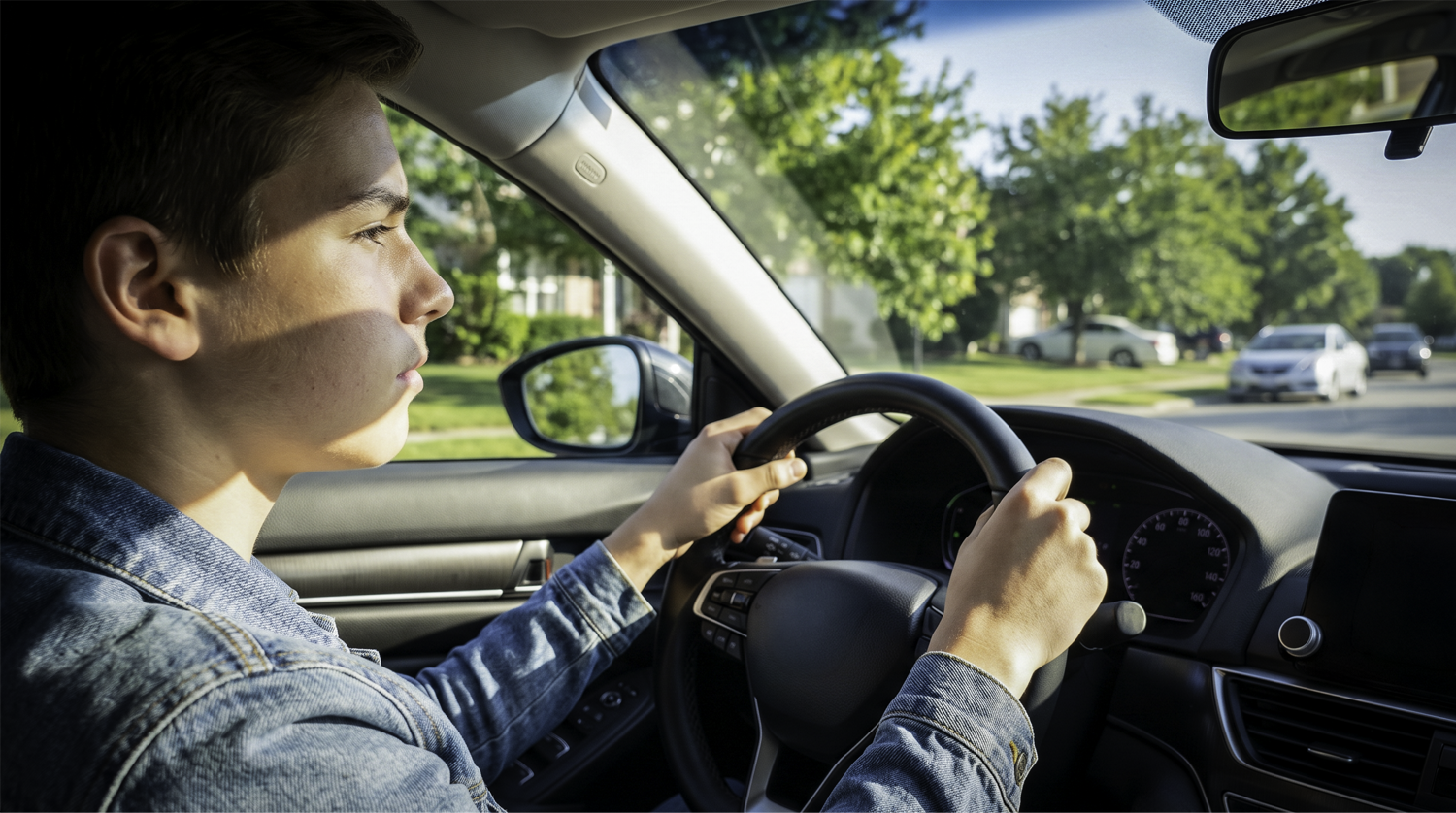
Think about parents handing the keys to a newly licensed teen, or a family that wants to ensure an elderly relative arrives safely at home. Have you ever wondered if your car is safe, because the only place you could find parking was that sketchy lot? In these and other everyday situations, we lack the real-time data we enjoy for pizza deliveries, packages from parcel carriers, and other things far less important than our cars. So, it’s no surprise that more people than ever are searching for the right car GPS tracker to protect and monitor their vehicles.
A car GPS tracker is a small device installed in your vehicle that uses satellite positioning and cellular connectivity to show your car’s location, driving activity, and health data through a mobile app.
However, choosing the right car GPS tracker can feel confusing. There are many devices on the market, but how do you know what you really need? Instead of relying only on comparison charts, asking the right questions will help you choose a car GPS tracker that fits your specific needs.
Why Consider Installing a Car GPS Tracker?
Before comparing features, ask yourself a simple question: Do I need a car GPS tracker? The answer will likely be yes, thanks to the security and value a quality device can provide. Here are some of the most common reasons drivers invest in a car GPS tracker:
- Oversight of teen and elderly drivers: The desire for peace of mind is what drives many to buy a car GPS tracker, whether it’s parents who want to know their teen drives responsibly, or adult children who want to ensure their aging parents navigate the roads safely.
- Trip logging: Freelancers and gig economy workers can get bogged down in manually logging business miles. A good tracker automates the process and provides IRS-compliant records.
- Accountability: Who last drove the family car, and where is it parked? Real-time and historical GPS data can answer these questions and help keep all drivers accountable.
- Connectivity: The best modern trackers connect drivers to their cars by providing vehicle health data, including alerts for low battery and engine trouble.
If one or more of these reason apply to you, then a GPS tracker for your car can provide measurable value and peace of mind. Next, review the following six questions to help you evaluate any car GPS tracker you are considering.
Question 1: Is the GPS Tracker Real-Time or Passive?
One of the most critical distinctions between car GPS trackers is whether they are active or passive. Active trackers deliver location data in real time, while passive trackers function as data loggers, storing information that you retrieve and review later.
Because passive devices record information to internal memory, you must physically remove the device, plug it into a computer, and download the data to see where the car went. While these devices often cost less, they do not provide theft protection or real-time oversight.
Meanwhile, real-time trackers feature a cellular modem similar to the one in your smartphone. They broadcast the vehicle's location and status to a server instantly, allowing you to see the car move on a map as it happens.
What to ask: Does this device update me while the car is driving, or only after the trip is over?
For most families or individuals, a real-time car GPS tracker is the practical choice. You want to know if your teen is speeding now, not find out when you get around to downloading the data.
As a real-time tracker, Bouncie provides location updates every 5 seconds so you always have access to current vehicle data.
Question 2: How Is the GPS Tracker Installed and Powered?
The installation process and connecting to a power source are important considerations. Most everyday drivers or families don’t want to deal with a complex installation, let alone hire a professional to handle it. How the device is powered also affects long-term reliability.
Consider the pros and cons of three common types of car GPS tracker devices:
Battery-powered trackers are like magnetic boxes that you can attach to a wheel well or hide under a seat. On the plus side, you can generally install a battery-powered tracker anywhere. On the other hand, remember to recharge the device or replace its batteries regularly. When the battery dies, you lose all tracking capabilities.
Hardwired trackers connect directly to the vehicle's electrical system. By default, they are generally well hidden under the hood. However, working with automotive electrical systems is complex, so hardwired devices typically require an expensive professional installation. If you sell the car, removing the tracker can be equally complex.
OBD devices plug directly into the standard OBD-II diagnostic port, which is found on virtually all vehicles made since 1996. Installation is super easy, as you just plug in the device and it draws power from the car, meaning no charging is needed. The only “con” is that the device is easily found by those who know where to look.
What to ask: Will I need to pay a professional to install this, and will I have to remember to charge it?
For most everyday drivers, an OBD-II car GPS tracker like Bouncie offers the best balance of simple installation, consistent power, and minimal maintenance.
Question 3: What Data Does the Car GPS Tracker Provide?
Most real-time car GPS tracker devices allow you to view your vehicle’s location on a digital map. However, the best trackers offer far more data than basic location coordinates.
What to ask: Since multiple types of data should be available, there are actually three questions to ask here:
- Does it track driver behavior? Look for monitoring of speed, hard braking, and rapid acceleration. This is critical for coaching new drivers.
- Does it read vehicle health codes? Since OBD-II trackers connect to the car's computer, they can often tell you why that "Check Engine" light is on.
- Can I set up geofences? You should be able to create zones (such as "Home," "School," or "Work") and receive notifications when the vehicle enters or leaves those areas.
To get the most value and find the best car GPS tracker for your needs, look for a device that combines location data, driving behavior insights, and vehicle health information in one platform. Bouncie monitors driver behavior, alerts you to engine trouble codes, and offers customizable Geo-Zones so you can receive notifications when family vehicles enter or exit certain areas.
Question 4: What’s the Mobile App Experience Like?
The tracker’s hardware matters, but your day-to-day experience depends on the app. In fact, you will likely interact with the device’s mobile app every day. If the app is clunky, slow, or crashes, the tracker becomes a source of frustration rather than something that gives you peace of mind.
What to ask: Is the mobile app full-featured but easy to use?
Some things to look for in comments on the app store and reviews by professional critics include:
- The app’s maps are easy to read and provide clear views.
- You can easily customize the notifications sent by the tracker.
- The user interface should be clean and intuitive.
Bouncie’s mobile app is available for both iOS and Android devices, and receives high marks for its ease of use and robust feature set.
Question 5: Are There Ongoing Subscription Fees?
When budgeting for a car GPS tracker, remember that the device cost is only part of the total expense. Because real-time trackers use a cellular network to transmit data, they almost always require a service plan. While this is to be expected, you want to make sure there are no hidden fees and that you don’t end up stuck in an expensive, long-term contract.
What to ask: What is the monthly cost, and is there a contract?
What you’re really looking for here is transparency. Some trackers have high upfront costs but offer “free” service for a year, but hidden in the contract are exorbitant renewal fees and service downgrades. Inexpensive trackers with tiered subscription models can also be problematic, as they often charge extra for faster refresh rates and detailed history logs.
The ideal case is a simple, flat-rate monthly subscription that you can cancel or resume at any time. This is the flexibility Bouncie offers, never locking you into a long-term contract.
Question 6: Can This Car Tracker Monitor More Than One Vehicle?
Many households own more than one vehicle, so the ability to monitor multiple cars from one account is an important feature.
What to ask: Can I see all my vehicles on a single map?
Bouncie lets you manage all your vehicles from a single dashboard. It even allows you to share access with the family member of your choosing, so, for example, both parents can receive the alerts generated from their teen’s car. You can learn how to set up sharing and other features in Bouncie’s easy-to-read help documentation.
Car GPS Tracker FAQs for First-Time Buyers
Below are additional common questions first-time car GPS tracker buyers often ask:
Will a GPS tracker drain my battery?
This is a valid concern for OBD trackers. A well-designed tracker will enter "sleep mode" when the car is turned off to minimize power consumption. Bouncie has a negligible impact on your vehicle's battery, even when the car is parked for days at a time.
What happens if the device is unplugged or tampered with?
If a teen (or a thief) tries to disable the tracking by unplugging the device, you need to know. Bouncie sends an immediate "Device Unplugged" alert to your phone, ensuring you maintain oversight.
Can the tracker detect impacts or accidents?
Advanced trackers include accelerometers that can detect sudden, forceful stops or impacts indicative of a crash. Bouncie includes Impact Detection and notification features, adding a critical layer of safety for loved ones.
Does it work in rural areas?
Real-time trackers rely on cellular towers. While coverage is generally excellent across the US, if you live in a deep "dead zone" where cell phones don't work, the tracker may not update in real time until the vehicle moves back into range. However, it typically stores the trip data and uploads it once a connection is re-established.
Can I download yearly mileage reports?
Yes. For those using their vehicle for business, this is a must-have feature. Bouncie allows you to tag trips as "Business" or "Personal" and export detailed spreadsheets for tax purposes.
Ask Smart, Buy Smart
You can read many reviews and comparison articles, but choosing a car GPS tracker ultimately comes down to understanding your priorities. What matters most are the questions you ask before you buy. When you clearly define the features that matter most, you can confidently select the right car GPS tracker for your situation.
Bouncie is a car GPS tracker that confidently answers "yes" to all six essential questions listed above. It’s an OBD-II tracker that’s easy to install, hassle-free to maintain, and packed with the features that really matter. Learn more about Bouncie, the car GPS tracker designed for families, everyday drivers, and safety-conscious vehicle owners.