What Is a GPS Tracker and How Does It Work?
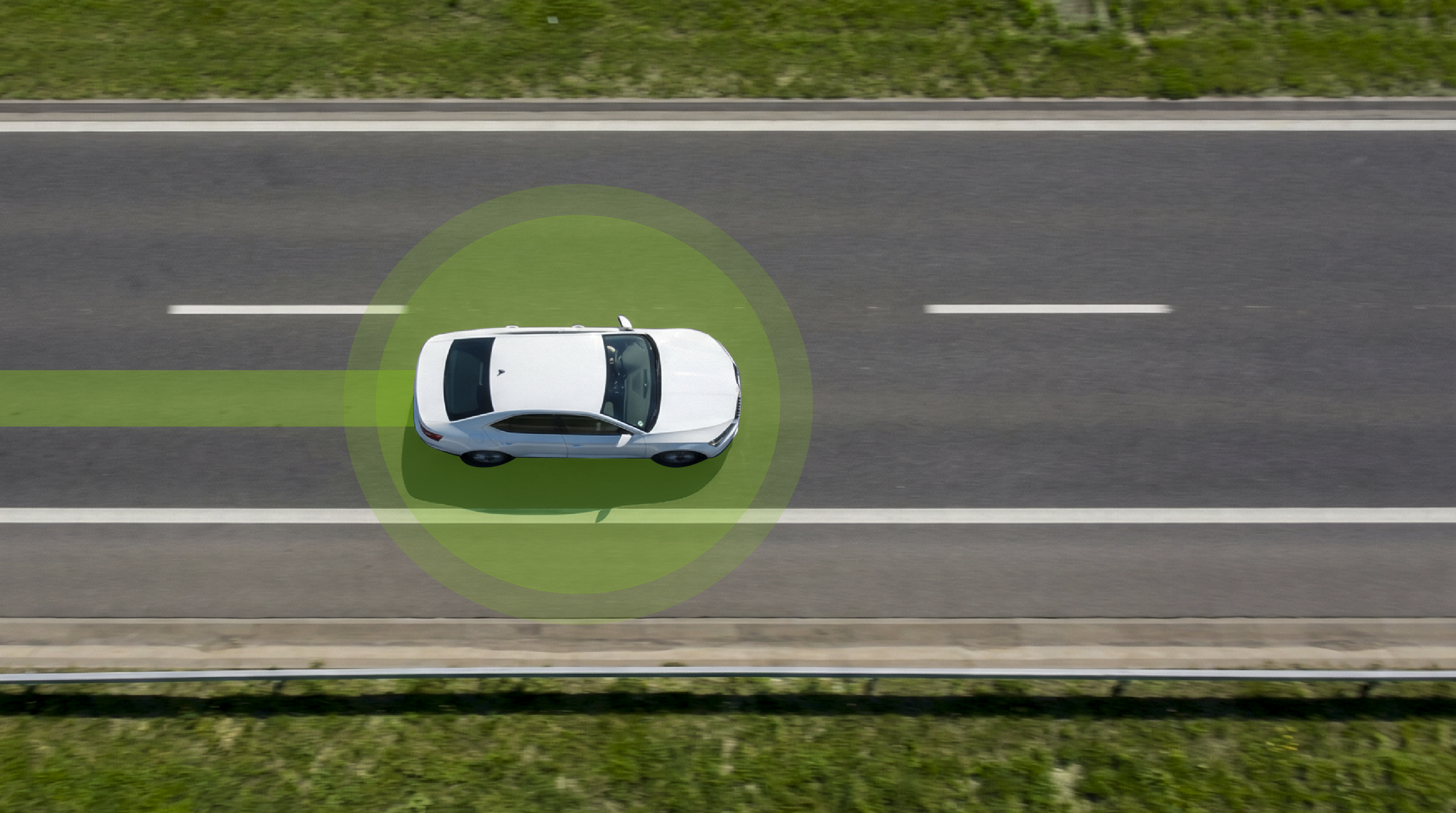
A GPS tracker is one of the most practical tools available today for monitoring vehicles, whether you manage a single family car or an entire business fleet. Most people already use apps to track their phones and earbuds, yet far fewer think to apply that same visibility to their vehicles. That gap is exactly what a vehicle GPS tracker is designed to close.
You may already know that a GPS tracker can provide this kind of visibility, but you might assume these devices are meant for large businesses and are therefore out of reach for a smaller company or personal use. The truth is, a vehicle GPS tracker can be very affordable today, and there are plenty of good reasons to have one.
Maybe you are a parent worried about a new teen driver, a small business owner managing a delivery route, or a car-sharing host. A car tracking device has a lot to offer, from helping monitor your teen's driving habits to protecting the investments that help run your business.
This guide answers those questions directly. It explains what a GPS tracker is, how the technology works, which type of device fits your situation, and what to look for before making a purchase.
What Is a GPS Tracker?
A GPS tracker is a compact electronic device that determines a vehicle's location using satellite signals and transmits that data to a web dashboard or mobile app, allowing you to monitor the vehicle in real time.
There are different types of trackers with different features, but the common thread is that they all communicate with the Global Positioning System satellites to determine their location. By receiving signals from at least four of these satellites, the device can pinpoint its exact location in latitude, longitude, and altitude.
The device must then somehow communicate that location information. Many vehicle GPS trackers contain a built-in SIM card and use the same cellular networks as your mobile phone to transmit the data to a secure server. This combination of a tracker, satellites, cellular networks, and a cloud server forms the foundation of real-time vehicle tracking. The result is location data that is accurate, continuously updated, and accessible from any internet-connected device.
GPS Tracker vs. Navigation System: What's the Difference?
One common source of confusion is the difference between a GPS tracker and a navigation system. Both use the Global Positioning System, but they serve entirely different purposes.
The simplest way to distinguish the two: navigation systems guide the driver, while a GPS tracker reports vehicle data to someone monitoring remotely. Here is how that plays out in practice:
- Navigation systems are designed to tell the driver where to go.
- GPS trackers are designed to tell someone else (the owner, parent, or manager) where the vehicle is and how it is being driven.
How Does a GPS Tracker Work?
A GPS tracker works through three sequential steps: acquiring location data from satellites, transmitting that data over a cellular network, and delivering it to a user-facing app or dashboard.
- Coordinate acquisition: The GPS tracker receives signals from the satellites. These signals include the exact time the message was sent and the satellite's position, which helps to determine the tracker's precise location on Earth.
- Data transmission: The device packages the calculated location data, along with other information it can collect. These extra details vary by device, but they often include the vehicle's speed, data from the engine's computer, and significant driving events such as harsh braking and rapid acceleration. The device then sends this data package to its designated server over a cellular connection.
- User interaction: The processed data is delivered to a web dashboard or mobile app, where it is displayed on a digital map. From there, you can view the vehicle's live location, review trip history, set up alerts, and monitor driving behavior, all from a single interface.
Types of GPS Trackers for Vehicles
Vehicle GPS trackers fall into three main categories: OBD plug-in trackers, hardwired trackers, and battery-powered trackers. Each type differs in how it installs, how it draws power, and what data it can access. Here is what distinguishes them:
OBD GPS Trackers (Plug-in)
An OBD GPS tracker plugs directly into a vehicle's On-Board Diagnostics (OBD-II) port. This port is typically located under the dashboard and has been standard on nearly all vehicles manufactured since 1996.
Of all three tracker types, the OBD GPS tracker offers the simplest installation. It plugs directly into the OBD-II port and draws power from the vehicle, so there are no batteries to charge or replace. As an added bonus, these trackers can read vehicle health data and diagnostic trouble codes (DTCs) from the vehicle's computer system.
Hardwired Trackers
Hardwired GPS trackers are wired directly into the vehicle's electrical system and typically require professional installation, as automotive electrical systems are complex and vary significantly by vehicle.
While hardwired trackers are typically concealed behind the dashboard or under the hood, and resistant to tampering, the cost and complexity of professional installation make them best suited for large enterprise fleets.
Battery-Powered Trackers
Small, battery-powered trackers can be "installed" virtually anywhere in a vehicle. For example, you can just place them in a glovebox or under a seat. Many come with a built-in magnet, making it easy to affix them to the car's frame or anywhere else with a metal surface.
However, battery-powered trackers come with their own challenges. They typically do not last long and require frequent charging or battery replacements, which can become inconvenient over time. While they offer flexible installation options, the signal can also be weakened if the device is placed too deep within the vehicle’s frame or too close to other electronic components.
How GPS Trackers Help Track Your Vehicles
Real-time location visibility is the foundation of what a GPS tracker does, but modern devices deliver far more than a dot on a map. The other ways GPS devices help track your vehicles include:
Real-Time Location Monitoring
Knowing exactly where a vehicle is at any given moment is useful across a wide range of situations, from coordinating family arrivals to confirming that a teen's vehicle is where it should be.
Trip History and Route Playback
Ever wonder which route a driver took to reach a destination? Trackers that offer a trip history feature let you review exactly where the vehicle traveled, where it stopped, and how long each leg of the journey lasted.
Geo-Zones and Boundary Alerts
Geo-Zones are virtual boundaries you can draw on a map. You can set up alerts to be notified the moment a vehicle enters or leaves a Geo-Zone, such as a school, a job site, or a city boundary.
Driving Behavior Monitoring
An OBD GPS tracker (and some other devices) can monitor driving behavior and alert you to potentially dangerous events, such as speeding or hard braking. They can even track idle time, showing you how long the engine runs (burning fuel unnecessarily) while the vehicle is stationary.
Vehicle Health Insights
Because an OBD GPS tracker connects to the car's computer, it can report when the Check Engine light comes on, along with other helpful diagnostic information like battery charge levels and fuel status.
GPS Tracker Benefits for Families and Everyday Drivers
For personal or family use, a GPS tracker primarily delivers safety, visibility, and peace of mind. Here are the core benefits:
- Peace of mind for parents: If you have a teen driver, a tracker allows you to coach them on safe habits. You can receive alerts for excessive speeding or hard braking, turning every trip into a teaching moment.
- Theft recovery: In the unfortunate event your vehicle is stolen, a car tracking device is your best chance at recovery. You can provide the police with the live location in real time.
- Security alerts: Some trackers can alert you if your car is moved or towed while you aren't in it, giving you an immediate heads-up on potential trouble.
GPS Tracker Benefits for Small Businesses and Fleets
A GPS tracker for fleet management directly supports profitability and operational efficiency for small business owners and fleet managers. The most impactful benefits include:
- Maximum efficiency: By reviewing trip data, you can optimize routes to ensure drivers take the most direct paths. This ultimately saves time and money while allowing for more stops in a business day.
- Reduced costs: By monitoring idle time and aggressive driving, you can significantly reduce fuel consumption and wear and tear on the fleet.
- Accountability: You can use verified trip logs to provide proof of service to clients and ensure employees use company vehicles only for their intended business purposes.
What to Look for in a GPS Tracker
Not all GPS trackers deliver the same level of performance. When evaluating your options, these are the features that matter most:
Real-time update frequency: Some trackers only update every few minutes, limiting their usefulness for real-time vehicle tracking. The OBD GPS tracker Bouncie lets you configure its update frequency, with reports as often as every five seconds while the vehicle is moving (although Bouncie actually collects data every single second to ensure no event is missed).
An intuitive app: The hardware is only half the product. Ensure the mobile app is intuitive and lets you quickly set up the alerts you need.
Ease of setup: Avoid systems that require a mechanic to install. OBD solutions like Bouncie offer a simple plug-and-play installation, with no batteries to charge or replace.
No hidden fees: Look for transparent monthly subscriptions that don't lock you into long-term contracts. For example, Bouncie charges you on a month-to-month basis, and you can cancel at any time.
GPS Tracker FAQs
Here are answers to the most common questions about GPS trackers:
Does a GPS tracker work when the vehicle is turned off?
Yes, some devices do. While the vehicle is off, Bouncie enters a low-power mode to avoid draining your battery. It still sends updates, but less frequently, so you can verify your car is parked where you left it.
Can multiple vehicles be tracked in one account?
Yes, platforms like Bouncie allow you to add multiple devices to a single account. This way, you can view the family minivan, your teen’s sedan, and your work truck all at once.
Is GPS tracking legal?
In general, tracking a vehicle you own is legal in the United States. Laws vary by state regarding employee monitoring and tracking vehicles you do not own. Always review the tracking and privacy laws in your state before use.
How accurate is a GPS tracker?
Most high-quality trackers are accurate within about 10 feet in clear weather.
What happens if the device is unplugged?
If a Bouncie device is unplugged, the app will immediately send an alert to the account holder, noting the time and location where the device was disconnected. This notification allows you to respond to the situation quickly and determine what happened.
Visibility That Drives Better Decisions
Real-time vehicle tracking goes beyond location. It is about knowing your loved ones are safe, your business is running efficiently, and your assets are protected. Whether you're managing a single family car or a growing business fleet, a GPS tracker provides the real-time visibility and smart data required to make smarter decisions.
Bouncie is an OBD GPS tracker built for both personal and business use, offering simple plug-and-play setup, real-time alerts, and transparent month-to-month pricing with no long-term contracts.
To start tracking your vehicles with confidence, learn more about Bouncie.