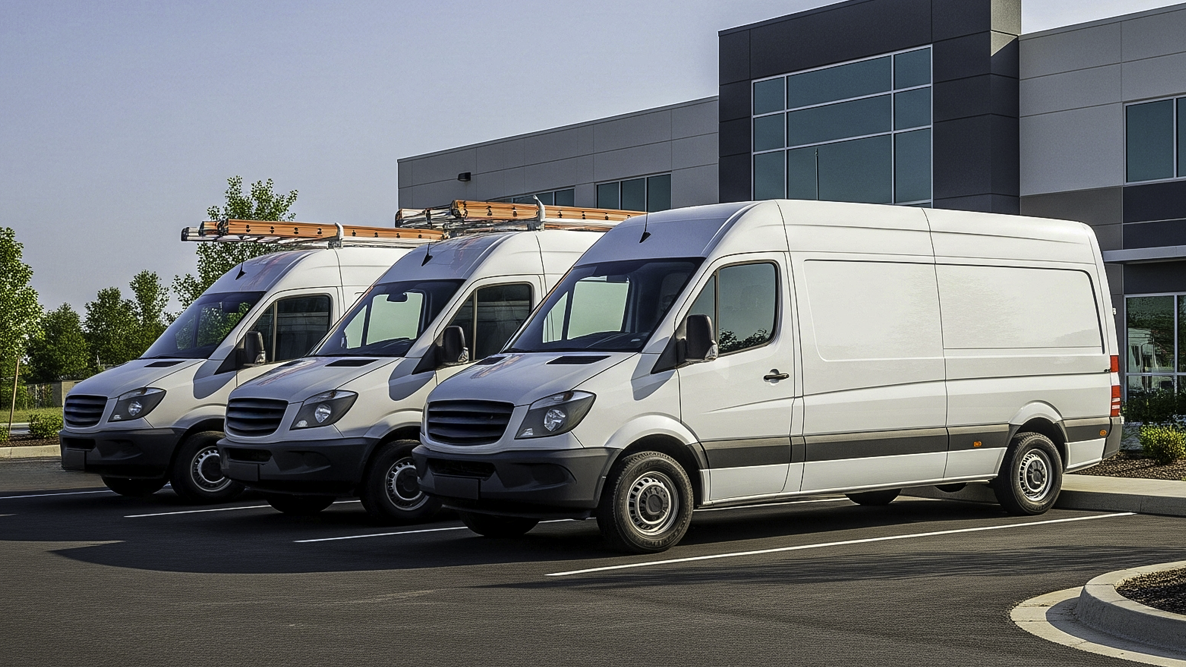
The Role of GPS for Small Fleets

Technology has changed how small businesses operate, especially when it comes to automation, visibility, and data-driven decision-making. To put it into perspective, think about a small, mom-and-pop retail shop. Not long ago, such a store likely would have had a basic cash register and kept its books by hand.
At that same business today, its owners can purchase a WiFi- and 5G-equipped tablet for less than $100 and operate a cashless business with a free card reader from their chosen payment processor. They likely also enjoy fully automated, cloud-based accounting. In other words, the features that were once only available to large retail chains are now open to everyone.
Why GPS for Small Fleets Matters More Than Ever
For companies with small vehicle fleets, including service-based businesses, delivery services, and independent car rental operations, there has also been a democratization of technology. It used to be that fleet management and GPS tracking solutions were a luxury reserved for massive enterprise operations with hundreds of interstate semi-trucks and a dedicated IT team.
In simple terms, GPS for small fleets is a vehicle monitoring system designed specifically for small business operators, providing real-time location visibility, trip history, vehicle health data, and automated alerts without requiring enterprise-level infrastructure or IT support.
Today, GPS for small fleets is both affordable and easy to implement, making it accessible to businesses of any size. The actionable data these systems provide helps optimize your business for maximum productivity and profitability, even if you operate only a few vehicles.
Why GPS for Small Fleets Is Critical for Smaller Operations
If you manage one of those small fleets, you may wonder if the advancements in technology really matter that much for your business. After all, how hard can it be to keep track of two or three loaner vehicles at your car lot, or manage the schedules of two delivery drivers?
For small businesses, GPS for small fleets often delivers a greater operational impact than it does for large enterprises. It's a matter of scale and percentages, not raw numbers. Simply put, you don't have the buffer of a massive enterprise. If one vehicle is down or one driver is consistently late, that could mean one-third or one-half of your fleet is down. The financial impact of situations like this is immediate and significant, whereas it may represent a minor disruption for a large enterprise.
Key business outcomes GPS for small fleets supports include:
Operational visibility: Instead of relying on frantic phone calls or text messages to locate your drivers, you can look at a digital map and see exactly where every vehicle is in real time. You know who is stuck in traffic and who arrived at their job site. You can also see who is closest to an emergency service call. This real-time intelligence enables dispatchers and managers to make more informed decisions, keeping the business moving efficiently.
Safety and accountability: Some small fleet telematics solutions can track and report bad driving habits like harsh braking, rapid acceleration, and excessive speeding. Addressing these driver behaviors helps promote a culture of safety and accountability.
Efficiency gains: By analyzing historical trip data, you can identify chronic bottlenecks and route your teams more effectively. Simply implementing a GPS fleet management system acts as a deterrent against unauthorized vehicle use. Whether it is an employee taking a company van on a weekend road trip or extending an off-route lunch break, the system ensures company assets are used strictly for business purposes.
How GPS Tracking Works for Small Fleets
GPS for small fleets delivers many of the same core capabilities used by large enterprises, but in a simplified format that is easier to install, manage, and scale. In fact, the small fleet telematics ecosystem generally consists of three interconnected components: the hardware inside the vehicle, the software platform that processes the data, and the automated alerts that keep you informed.
There are three primary hardware types:
- OBD-II plug-in devices: The On-Board Diagnostics (OBD-II) port is located under the dashboard of virtually all passenger vehicles and light-duty trucks manufactured after 1996. These devices are truly plug-and-play, and can be swapped between vehicles in seconds.
- Hardwired units: Some GPS devices are wired directly into the vehicle's electrical system. While hardwired units tend to be more covert and tamper-resistant, they require professional installation, which means downtime and higher upfront costs.
- Battery-powered trackers: Non-motorized assets without a continuous power source (think trailers or heavy construction equipment) often use battery-powered trackers. While they typically feature a built-in magnet that makes installation easy, their batteries need to be recharged or replaced regularly.
The software component is typically delivered through a mobile app and web portal, giving managers access from both the field and the office. You can view GPS coordinates and vehicle diagnostics on easy-to-read maps, view trip histories, and access other reports.
The software is also where you configure alerts for specific events.
For example, you can set up geofencing to send you notifications when one of your vehicles enters or exits a designated area (such as a customer site or your company's parking lot). You can also configure notifications when it's time to bring a vehicle in for maintenance, when a trip has been completed, or even when a vehicle is involved in a collision, if your small fleet telematics solution supports impact detection.
Top Use Cases for GPS in Small Business Fleets
Modern GPS for small fleets is flexible enough to support a wide range of business models. Consider these use cases:
Contractors and Service Teams
For electricians, plumbers, and general contractors managing dispersed crews across a city or county, coordination is everything. Dispatchers can use GPS to find the closest available technician for an emergency call, rather than disrupting someone who is halfway across town.
GPS fleet management also provides essential documentation for service teams. For example, if a client disputes how long a crew was on site, the GPS data serves as an indisputable record of arrival and departure times.
Landscaping and HVAC Businesses
Seasonal surges and weather-dependent schedules make routing incredibly complex for these industries. GPS tracking helps landscaping and HVAC managers ensure their crews follow the most efficient routes from neighborhood to neighborhood, reducing fuel consumption and maximizing the number of service calls completed each day.
Dealership Loaner Fleets
Service departments that offer loaner vehicles face unique challenges. When a customer drives off the lot, the dealership must ensure the asset is protected, and a GPS tracker for business vehicles delivers unprecedented accountability.
For test drives and loaners, you can monitor mileage and enforce geographic boundaries. And if a vehicle isn't returned on time, you can pinpoint its exact location.
Rental Operators
For independent car rental companies, it's all about vehicle turnaround time. GPS tracking lets your team know exactly when a vehicle is about to return to the lot, giving cleaning and processing teams adequate time to prep.
GPS fleet management also offers peace of mind. In the event one of your vehicles is stolen or a customer doesn't pay, you can track its exact location and plan your next steps.
Core Business Benefits of GPS for Small Fleets
Across various industries, GPS for small fleets consistently delivers measurable operational and financial benefits, including:
Lower Fuel Costs and Faster Routes
For fleets of any size, fuel is the most variable expense. It can be difficult to forecast its costs or how much your vehicles will use in any given month. But by eliminating unauthorized trips, reducing engine idling time, and optimizing routes, you can slash fuel consumption dramatically. Even saving just a few gallons per vehicle, per week, adds up to thousands of dollars in savings for even the smallest fleets.
Improve Driver Behaviors
Aggressive driving poses a significant safety risk and creates potential liability for your company. It also reduces fuel efficiency while accelerating brake and tire wear. By monitoring and correcting harsh braking, rapid acceleration, and speeding, you extend your vehicles' lifespans and protect your company from crippling liability claims.
Better Recordkeeping for Mileage and Compliance
Say goodbye to messy, inaccurate paper mileage logs. GPS systems automatically categorize and record every mile driven. This pristine digital recordkeeping is invaluable for tax deductions, IRS compliance, and accurate client billing.
Maintenance Tracking
A broken-down vehicle is a vehicle that isn't making money. Modern GPS devices read data directly from the vehicle's computer, pulling diagnostic trouble codes (DTCs) and tracking odometer readings. This allows managers to schedule preventative maintenance before a minor issue becomes a catastrophic engine failure, keeping the fleet healthy and on the road.
Is GPS for a Small Fleet Worth the Cost?
For small fleets, the return on investment typically comes from reduced fuel waste, fewer unauthorized trips, lower insurance exposure, improved maintenance scheduling, and more accurate billing. Even modest efficiency gains across two to five vehicles can offset the monthly cost of a GPS solution. Because modern systems no longer require large upfront hardware investments or long-term contracts, adoption is significantly less risky than it once was.
For many small operators, the question is no longer whether GPS is necessary, but how quickly it can be implemented to protect margins and improve service reliability.
How to Choose the Right GPS for Small Fleets
While the availability of GPS for small fleets is a good thing, there are many brands and manufacturers to choose from. In fact, choosing the right GPS system for a small fleet can feel overwhelming. The best way to go about it is to focus on the options that have all of the most important features, which are:
- Easy installation and setup: Avoid systems that require your vehicles to be taken out of service for professional, hardwired installations. Look for plug-and-play OBD-II devices.
- Real-time tracking: A map that updates every five to ten minutes is practically useless for a fast-moving service business. Prioritize systems with rapid, customizable refresh rates.
- Custom alerts and reporting: Your business is unique, and your tracking software should be too. Look for a system that lets you customize reports and critical features like geofencing.
- Scalability: You might only have three vehicles today, but what happens when you win a major contract and need to add ten more next month? Choose a system that allows you to start small and scale effortlessly, without requiring you to sign restrictive long-term contracts or switch platforms as you grow.
Why Bouncie is a Strong Fit for Small Fleets
While many products claim to be ideal for small fleets, few deliver enterprise-level capabilities without enterprise-level pricing or restrictive contracts. Bouncie is the only solution that bridges the gap between high-end functionality and small-business accessibility.
Bouncie is an OBD-II device, so installation is as simple as plugging it in, with no special tools or automotive electrical experience required. Bouncie also offers transparent pricing with no hidden fees or complex tiered contracts, making it one of the most scalable solutions on the market.
Despite its simplicity, Bouncie delivers robust functionality. As a full-fledged GPS fleet management solution, it offers real-time location updates, comprehensive trip history reports, advanced vehicle health diagnostics, and more.
Bouncie is also one of the few GPS tracking solutions built from the ground up to play nicely with other business software. With the open Bouncie API, you might log mileage directly into your accounting software or trigger maintenance tickets in your fleet management tools.
Because of its reliability and all the data it can capture, Bouncie is recommended by numerous commercial insurers and is a top choice for car-sharing platforms like Turo.
FAQs About GPS for Small Fleets
Not sure if GPS is right for your small fleet? Here are answers to common concerns about the technology.
How many vehicles can Bouncie track in a small fleet?
Bouncie is built to scale alongside your business. There is no maximum limit to the number of vehicles you can track. Whether you are managing two delivery vans or a regional fleet of fifty service trucks, you can monitor them all from a single, unified dashboard.
Do GPS trackers work if the vehicle is turned off?
Yes, the tracking remains active even when the ignition is off. While parked, Bouncie enters a low-power state to preserve the vehicle's battery, but it will still periodically check in to ensure your asset is secure.
Is it possible to track from a mobile app and a desktop portal?
Yes, Bouncie offers a highly rated, intuitive mobile app for both iOS and Android devices that lets you monitor your fleet from anywhere. If you're not on your mobile device, you can also log in from a desktop web browser.
Is GPS for small fleets practical for businesses with fewer than twenty vehicles?
Yes. In fact, smaller fleets often benefit the most because each vehicle represents a larger percentage of total revenue. A single late delivery, breakdown, or unauthorized trip can significantly affect operations. GPS systems provide the visibility needed to protect margins at small scale.
Why GPS for Small Fleets Is Now a Competitive Necessity
The most important part about technology's dramatic evolution is how it's leveled the playing field. You see this democratization everywhere, but especially in the widespread availability of GPS for small fleets. With this game-changing tech, you eliminate operational blind spots to deliver a vastly superior customer experience.
For small business fleet operators, delivery services, rental managers, and dealership loaner teams, GPS for small fleets is no longer optional infrastructure. It is a strategic tool for visibility, accountability, and growth. If you are evaluating GPS for small fleets, explore how Bouncie delivers enterprise-level visibility with small-business simplicity.