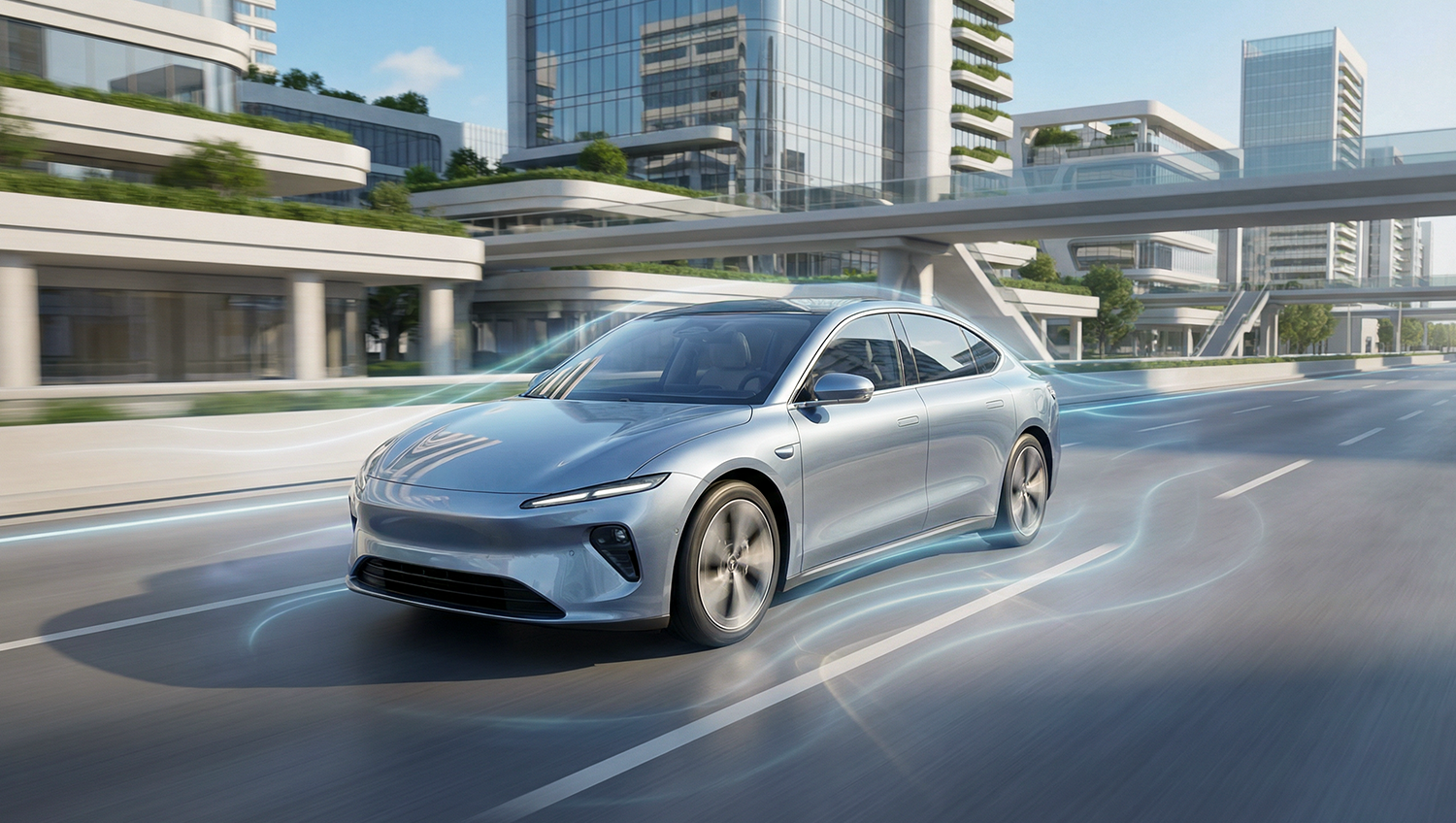
The Future of Telematics: What to Expect in the Next Decade
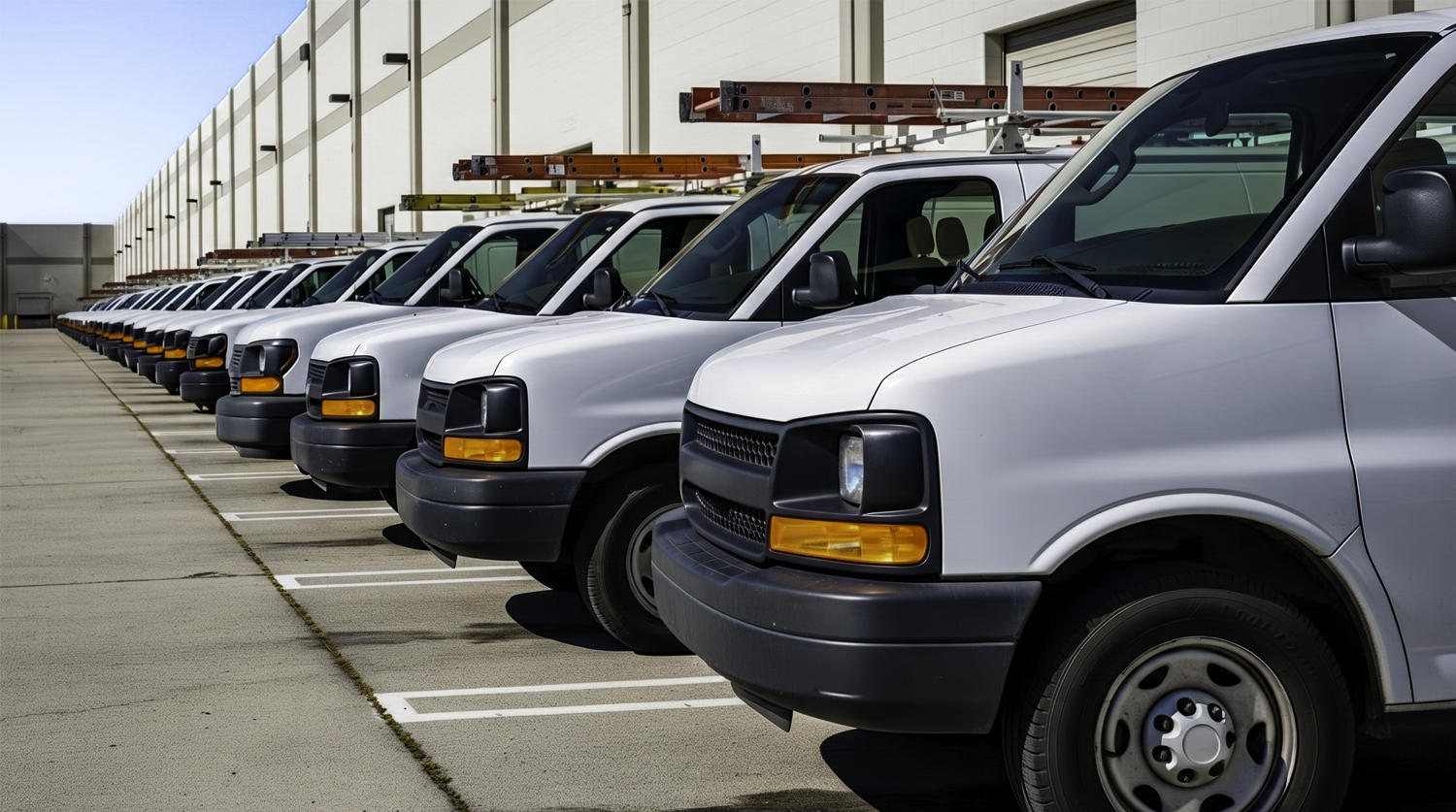
Telematics history can be grouped into two distinct eras. First, the early days of the technology were defined by simple GPS location tracking. At first, fleets could see where vehicles had been. Later, they could track vehicles in real time. While that felt revolutionary at the time, fleet managers and logistics leaders needed more. More recently, telematics expanded beyond location. Usage-based insurance (UBI) and other usage-driven models accelerated demand for richer vehicle insights.
Today, telematics trends suggest the indusrty is entering a new era where GPS tracking, diagnostics, and real-time vehicle data converge into what many call the software-defined fleet.
The future of telematics refers to the shift from basic vehicle tracking toward intelligent, data-driven fleet systems that enable predictive maintenance, real-time risk assessment, automation, and operational decision-making across fleets, insurers, OEMs, and mobility providers. As 5G and other forms of constant connectivity expand globally, and AI can analyze vast datasets in mere seconds, next-gen fleet tech makes this new era feel like it’s already upon us. But what can you expect in the next decade? Let’s find out with this overview of the future of telematics.
The Current Role of Telematics in Modern Fleet Operations
Before exploring what’s next, it helps to ground this conversation in how telematics is used today. The biggest shift is the rapid standardization of vehicle connectivity. At the start of this decade, the idea of the connected vehicle was still somewhat new. By 2030, a staggering 96% of all new vehicles will feature advanced connectivity right out of the factory.
As connectivity becomes standard and fleet tools become more accessible, vehicle data is now abundant. This shift has defined the modern role of telematics and laid the groundwork for the future of telematics across three core operational pillars:
- Real-time visibility and route optimization: Modern telematics has eliminated the need to call drivers and ask for their location. With real-time visibility, dispatchers can reroute vehicles to the nearest customer, avoid traffic, or make a last-minute pick-up.
- Driver behavior and safety monitoring: The integration of accelerometers and sensors into telematics devices enables fleet managers to detect driving behaviors such as harsh braking, rapid acceleration, and cornering, creating a new era of safety monitoring.
- Diagnostics and compliance: Telematics systems that use an OBD-II port connection can send immediate alerts for diagnostic trouble codes (DTCs), which have reshaped maintenance. At the same time, this access to vehicle data has made telematics the primary method for meeting regulatory mandates, such as Electronic Logging Device (ELD) requirements for Hours of Service (HOS).
With this foundation in place, we can examine the five trends that will define the future of telematics over the next decade.
Trend #1: Predictive Telematics and the Future of Fleet Maintenance
Even with major advances in telematics, many fleets still rely on two maintenance models. Reactive maintenance fixes issues after failure. Preventive maintenance follows a schedule, whether the vehicle needs service or not.
The dominant shift of the next decade is predictive telematics. In this model, vehicles alert fleet managers to likely failures before symptoms appear. And it’s no coincidence that the emergence of predictive telematics coincides with the rise of artificial intelligence.
Early results show that fleets transitioning to AI-driven predictive maintenance are seeing a nearly 25% reduction in roadside breakdowns and a 15% drop in maintenance expenses. These results should put the reactive and preventive approaches to rest for good.
Machine learning (ML) is the core technology enabling predictive telematics.
Modern telematics devices now collect thousands of data points, including coolant temperatures, battery voltage curves, ignition timing, and fuel trim values.
ML uses this data to create a "digital twin" of every vehicle in your fleet. By comparing your vehicle’s performance against millions of other data points, these algorithms spot anomalies invisible to the human observer. The impact on safety and longevity will be profound.
For example, if a delivery van shows a specific pattern of brake pad wear combined with ABS sensor micro-vibrations, a predictive maintenance system could flag the vehicle as "unsafe for mountain routes" and request a dispatch reassignment. Insights like this position telematics as an active safety partner rather than just a cost-saving tool.
Trend #2: Deeper Integration with Mobility Ecosystems
Data silos limit the effectiveness of any digital system. Telematics systems are no exception. Too often, vehicle data is siloed from dispatch software, HR systems, and maintenance platforms. That’s why one of the most important trends on the horizon is interoperability.
Over the next decade, the telematics device will cease to be just a tracker and will become an open API hub, connecting vehicles to insurers, OEM platforms, fleet systems, and the broader mobility ecosystem. Connected vehicle data will support new and exciting applications, such as:
- Automated maintenance workflows: When a telematics device detects a specific fault code or hits a mileage milestone, it can send this data to fleet maintenance software to open a work order, requisition the necessary parts, and schedule the vehicle for downtime, all in one automated workflow.
- Dynamic insurance adjustments: Insurance carriers can replace annual policy reviews with dynamic pricing based on real-time risk exposure, location patterns, and actual driving behavior.
- Coordinating smart charging: As fleets electrify, telematics data regarding a vehicle's current state of charge (SoC) and upcoming route requirements will integrate with charging infrastructure management systems to prioritize which vehicles need the fastest chargers upon returning to the depot.
A Practical Application: Bouncie and Zapier Integration
Importantly, deep integration into mobility ecosystems will not be limited to enterprise organizations with large IT budgets.
Affordable telematics solutions like Bouncie offer an open API and tight integration with no-code platforms like Zapier. Now, small businesses can create sophisticated workflows without writing a single line of code.
For example, you could set up a workflow that automatically logs instances of harsh braking detected by Bouncie in a Google Sheet. This entry can then trigger a Slack notification to the safety manager, which thus creates a calendar invite for a driver coaching session. Easy yet powerful integrations like this effectively expand the scope of mobility ecosystems for all businesses, regardless of size.
Trend #3: EV, Sustainability, and the Future of Telematics Data
The transition to electric vehicles (EVs) is perhaps the most disruptive change in automotive history. However, the latest telematics trends show the technology will have no trouble adapting. That’s thanks in part to EVs being data-rich, connected vehicles by default.
Fleet operators get the granular data they need to help drivers overcome range anxiety and optimize their routes. Telematics systems can also help by using AI to estimate remaining range based on battery percentage, current weather, terrain, vehicle load, and historical driver behavior.
Battery health monitoring will take a leap forward, too. The predictive maintenance foundation will be used to track long-term battery degradation patterns. And by confirming exactly how much energy was dispensed during a charging session, future systems will be able to validate expenses and audit energy providers.
Telematics as an ESG Accountability Tool
Telematics can also support auditing of corporate sustainability goals. As regulatory pressure mounts for companies to disclose their carbon footprints, vague estimates won't suffice.
Businesses are increasingly adopting Environmental, Social, and Governance (ESG) goals that require precise reporting. Telematics provides verifiable data to support emissions reduction reporting. Telematics platforms serve as carbon accounting engines by tracking key data like:
- Miles driven on electric versus gas power
- Excessive idle times
- Inefficient routes that contribute to total mileage
- CO2 reduction metrics
Trend #4: The Future of Telematics in UBI and Commercial Insurance
Commercial auto insurance providers have historically relied on lagging indicators to set premiums, including credit scores, ZIP codes, and historical loss runs. UBI lightly shifted the focus from demographics to driving behaviors. The next decade will see a UBI and similar models come into full maturity.
One indicator of this shift is the projected growth of the global UBI market. Today, it’s valued at nearly $33.5 billion; by 2034, that figure will almost quadruple to $122.3 billion. This is good news for fleet managers, as UBI and telematics can help mitigate the current hard insurance market, where premiums have skyrocketed.
Insurers will begin to embrace “pay how you drive” premiums, a dynamic monthly pricing model that will benefit small fleets the most. Since telematics data will allow insurers to unbundle risk, they’ll be able to offer significant discounts to fleets that can demonstrate their safety culture through hard data, such as validated speed limit adherence and time-of-day usage.
Perhaps the most impactful innovation in the insurance space will be in claims defense. As telematics platforms integrate with claims software, they will gain instant accident validation capabilities. If a driver claims they were rear-ended while stopped, but the other party claims your driver reversed into them, telematics data provides objective evidence to exonerate your driver instantly.
Trend #5: Democratization of Telematics for Small Fleets
Ten years ago, "enterprise-grade telematics" meant hard-wired installations, multi-year contracts, and expensive proprietary systems. In the last decade, we’ve seen the incredible democratization of this technology, from Fortune 500 companies to local service providers, independent contractors, and other small businesses. This trend will continue into the next decade and beyond.
Call it the plug-and-play revolution. Devices like Bouncie pioneered this model, and small business owners can now equip a fleet of five vans for a fraction of the cost of traditional systems. Intuitive mobile apps are replacing the complex desktop dashboards of the past. A plumbing business owner can now track technicians, check fuel levels, and review safety scores on their phone while on a job site. All functionality that used to be only available to large enterprises.
More importantly, systems like Bouncie can scale naturally as these small businesses grow. Since Bouncie and other modern electronics solutions offer open APIs that play nicely with QuickBooks and other small-business tools, they can create a connected fleet one vehicle at a time.
The Future of Telematics: FAQs
What technologies are powering the next generation of telematics?
The next leap in telematics is driven by multiple technologies. This includes AI for predictive analytics, 5G connectivity for low-latency data transfer on the road, and edge computing, which enables devices to process critical data locally in the vehicle rather than sending everything to the cloud.
How can small fleets prepare for the shift to predictive analytics?
Start by gathering data now. Predictive models rely on historical data to be accurate. By installing a telematics solution today, even if you are only using it for location tracking, you are building the baseline dataset (mileage patterns, engine load history, and fault frequency) that future AI tools will use to save you money on maintenance down the road.
Is telematics compatible with electric and hybrid vehicles?
Yes, modern telematics devices like Bouncie are designed to read standard OBD-II data as well as specific EV parameters such as battery voltage, charging status, and energy regeneration. As fleets electrify, telematics becomes the primary tool for managing range and charging schedules.
Driving Into the Future of Telematics
If there’s an overarching trend across all five of these developments, it’s that basic, location-based telematics is evolving into a complete operational intelligence suite. Data silos will continue to break down, enabling vehicles to communicate with maintenance shops and insurance carriers in real time. Best of all, the revolution isn’t passing anyone by, regardless of the size of your business or fleet.
Whether you are managing five vans or five hundred, you can get a telematics system that predicts breakdowns, automates workflows, and validates driver safety. Bouncie is a platform designed for democratization, scalability, and data integration. Learn more about how Bouncie supports the future of automotive data innovation.