Using Bouncie's Trip History Feature to Analyze Vehicle Usage
Understanding how your vehicles are used and reviewing clear trip history data has become essential. Families want reassurance that loved ones are driving safely, and businesses want clearer visibility into where vehicles go and how efficiently they are used. Whether you manage one car or an entire fleet, knowing what happens between point A and point B helps you make smarter decisions.
The trip history feature of the Bouncie GPS tracker provides the visibility needed to understand every aspect of vehicle use. It captures detailed information about every drive, including routes, mileage, start and end times, and important driving behavior indicators. When used consistently, this information can reveal patterns, highlight opportunities for improvement, and support better planning for both personal and commercial use.
In recent years, the need for clear visibility into how personal vehicles are used has grown rapidly. Families are juggling work, school, and activities that require careful planning, and many rely on shared vehicles that see frequent and unpredictable use. As remote work and flexible schedules have increased, many households now manage more midday driving, drop-ins, and quick trip chains that can be hard to track without a reliable record. At the same time, rising fuel costs and increased traffic in many cities make efficient driving more important than ever.
Businesses are experiencing similar changes. Service teams are completing more jobs per day, delivery routes are becoming more complex, and customer expectations around arrival times and transparency continue to rise. Managers need dependable ways to confirm where vehicles have been, how long each stop takes, and whether drivers are following established routes. As personal and professional schedules become more dynamic, accurate trip visibility is no longer simply helpful. It is becoming an essential part of staying organized, efficient, and accountable on the road.
Let’s explore how the trip history feature works, why it matters, and how you can use it to improve safety, efficiency, and overall vehicle management every day. We will offer practical examples from both household and business scenarios so you can easily picture how trip analysis fits into your daily routines.
What Trip History Means and Why It Matters
Trip history is a complete record of every drive your vehicle takes. This includes the route traveled, the number of miles driven, the duration of the trip, the time spent at stops, and any safety-related events such as hard braking or speeding. It removes guesswork and replaces it with verifiable, time-stamped information.
For many households, especially those with teen drivers, trip history becomes valuable right away. Parents want a clear picture of where their teen has been and how they are driving on a daily basis. For multitasking families sharing a car, trip history answers questions about who last drove the vehicle, how many miles were added to the odometer, and whether the route taken was the most efficient option.
Car owners who use their vehicle for gig work or freelance jobs appreciate having accurate mileage and trip history records, especially for reimbursement and tax documentation. Instead of piecing together receipts or trying to remember each stop, they can pull up a complete and accurate list of every drive taken during the workday. The IRS provides clear guidance on how mileage can be deducted for business use, which makes accurate trip history even more valuable.
For business owners, trip history becomes a cornerstone of accountability. When employees operate company vehicles or use their personal vehicles for work purposes, accurate logs ensure everyone shares the same understanding of each trip. The information supports reimbursement, verifies job progress, and helps managers understand how vehicles are being used throughout the workday.
Many people still rely on manual logs or personal memory, but both can easily introduce human error. Mileage estimates may be rounded, routes may be forgotten, and the exact time spent on a job site can be difficult to recall at the end of a busy day. Trip history eliminates these problems by collecting and organizing all the data for you.
How to Access Trip History in the Bouncie App
Bouncie was designed to be easy for anyone to use, regardless of technical experience. Accessing your trip history takes just a few steps.
After opening the Bouncie app, select the vehicle you want to review. The trip history section is labeled and easy to find. You can scroll through recent trips or filter the view by date range or activity. This makes it simple to review only the information you need.
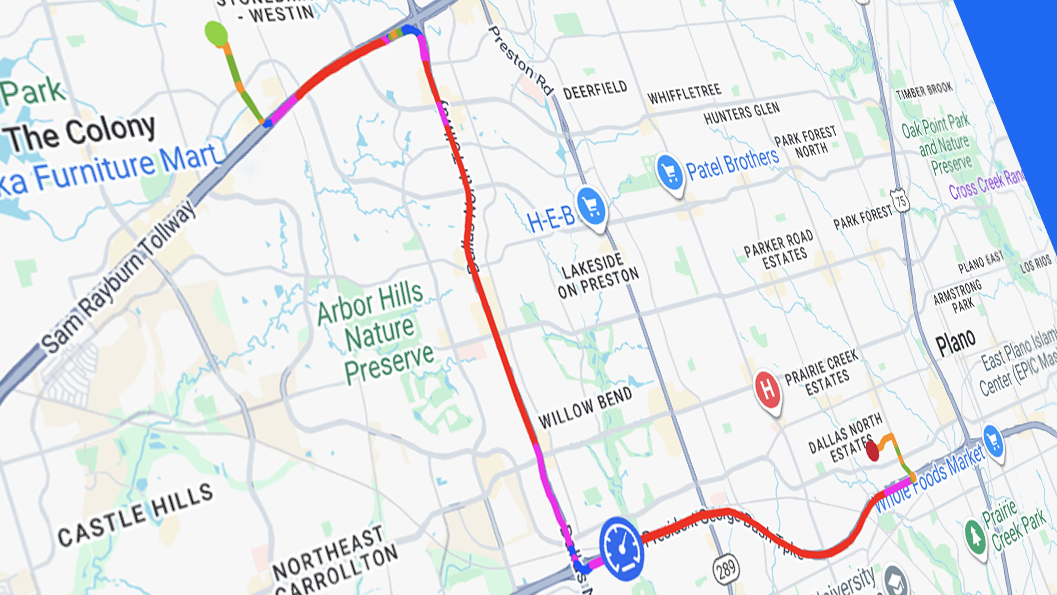
Each trip includes a map view that outlines the exact route taken along with several types of points of interest. You can zoom in to view precise turns, traffic patterns, and the speed traveled. Alongside the map is a full summary of the trip, which includes driving time, distance traveled, stops made, and any safety alerts triggered during the drive.
For users managing more than one vehicle, the app keeps trip history separate for each one, giving you access to both real-time details and long-term insights. You can revisit past trips at any time and look for patterns or compare driving behavior over longer periods.
This level of accessibility helps families keep track of shared vehicles and supports business owners who need reliable reporting without an intensive manual process.
How Trip History Helps You Analyze Vehicle Usage
The value of trip history becomes clear once you begin reviewing the data. Over time, the information reveals insights about how your vehicle is being used and where adjustments may help improve safety or efficiency.
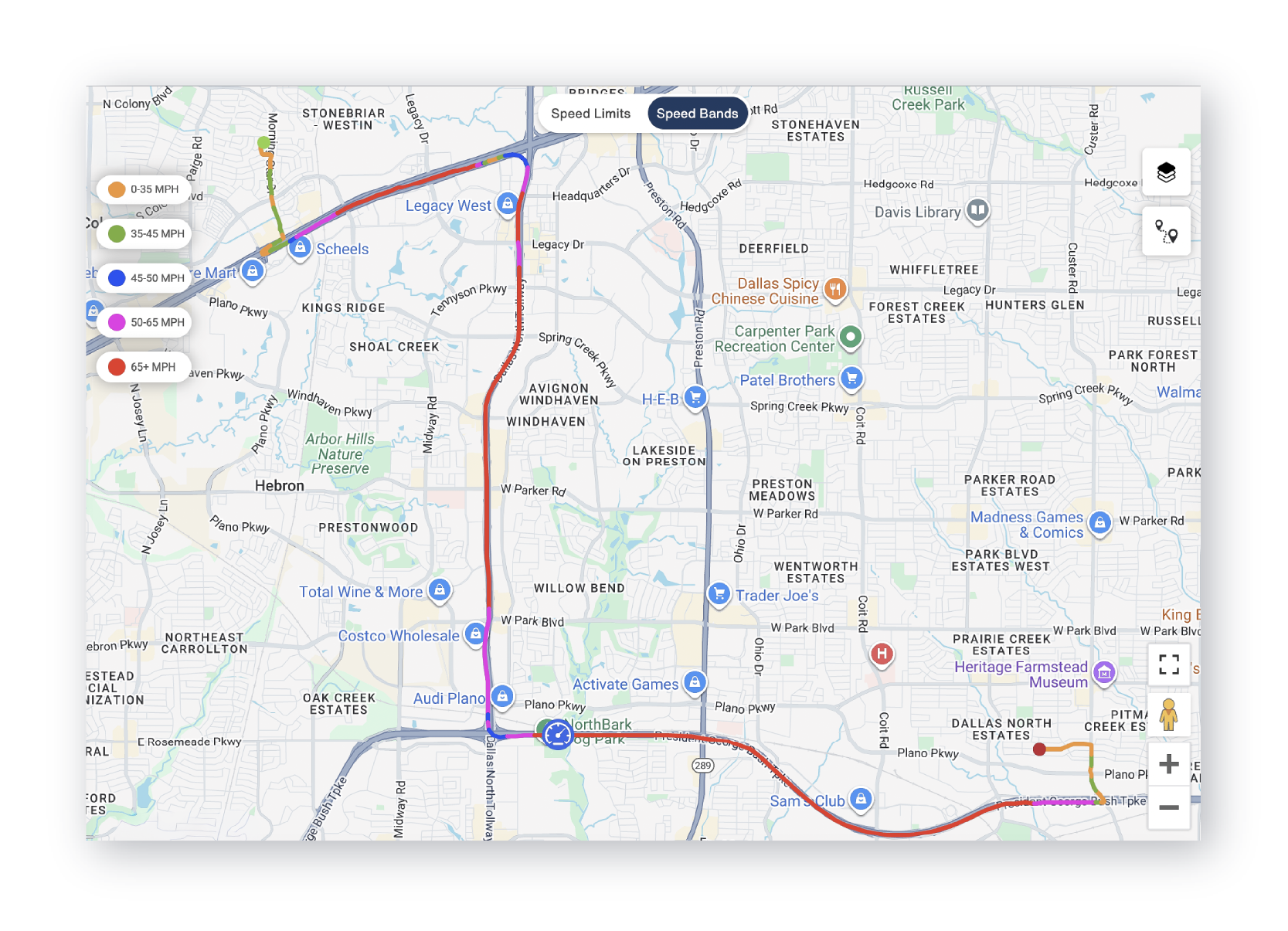
One of the most important areas to review is driving behavior. If the driver frequently accelerates too quickly, brakes suddenly, or reaches unsafe speeds, the trip history will highlight these events. This helps parents have constructive conversations with teen drivers, and it helps businesses identify training needs for employees who operate company vehicles. National safety organizations offer helpful guidance on safe driving practices that can support these conversations, including resources from AAA Safe Driving Resources and the NHTSA Safe Driving Education.
Another helpful insight trip history provides is how long a vehicle idles during stops. Many people do not realize how long a vehicle sits running during a stop, and this has a direct impact on fuel usage. Trip history shows exactly where and when idling occurs, and it allows drivers and managers to make informed changes.
For businesses, this feature supports schedule tracking. When employees are expected to arrive at specific job sites on time, trip history shows exactly when they reached each location. Over time, the information helps managers analyze routes, estimate job duration, and determine whether the current workflow is efficient.
Trip history becomes even more valuable when you review it over weeks or months. Without even realizing it, drivers may take longer routes, stop more often, or develop habits that increase fuel usage. Reviewing the data at regular intervals gives you the chance to make small adjustments that add up to significant savings.
Trip history is not about policing anyone’s behavior. Instead, it is a tool to identify opportunities for smoother, safer, and more efficient driving across personal and commercial settings.
Benefits of Trip History for Personal Users
Many individual drivers rely on Bouncie for the peace of mind that comes with knowing how their vehicle is being used. Trip history makes that reassurance even more meaningful.
For families with teenage drivers, this feature becomes a supportive teaching tool. Parents can sit down with their teen at the end of the week, review trips taken, and talk through any patterns that stand out. Instead of guesswork, they have clear information that encourages responsible driving habits.
When multiple family members share a vehicle, trip history removes the uncertainty around mileage and overall usage. Everyone can see when the vehicle was driven and how far it went on each trip. This makes it easier for households to plan maintenance schedules and understand how the vehicle is being used throughout the week.
Many drivers use their personal vehicles for work-related purposes. Gig workers, delivery drivers, or people who travel frequently for client meetings rely on detailed mileage logs for tax deductions or reimbursement. Trip history organizes every trip automatically, saving hours of manual record keeping.
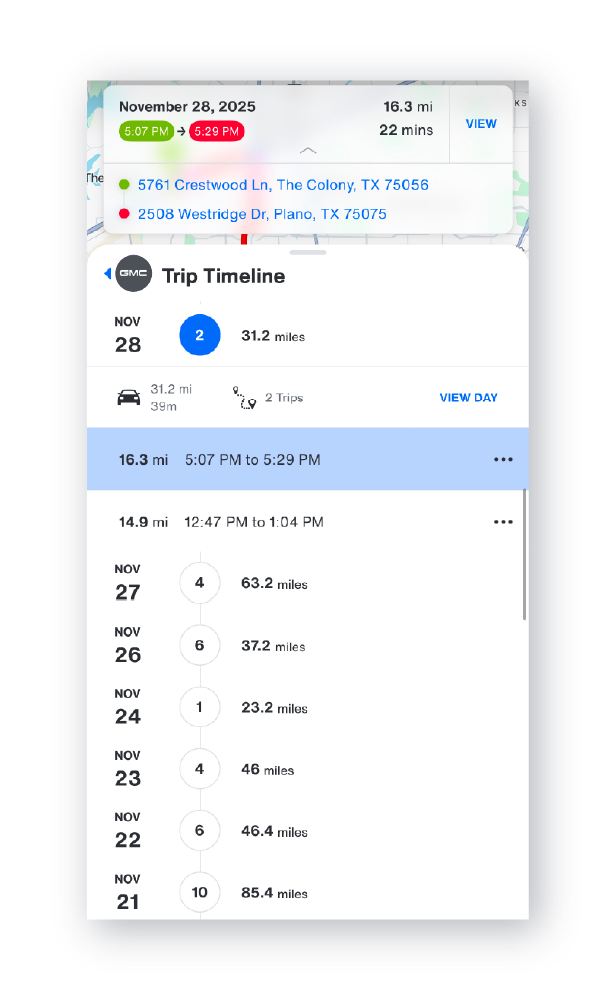
Even ordinary drivers who simply want to reduce fuel usage find value in trip history. By identifying long idling periods, unnecessary detours, or frequent short trips, the information helps them make small adjustments that lead to meaningful savings.
When people understand their driving habits, they often become more intentional about the way they use their vehicles. Trip history makes that understanding simple and accessible.
Drivers and families who want added visibility into how their vehicles are used can learn more at bouncie.com/family.
Benefits of Trip History for Fleets and Small Businesses
Trip history becomes even more powerful when used across a full fleet. Whether you manage a handful of service vehicles or maintain a growing business with dozens of drivers, the information supports clearer visibility and consistent operations.
Managers gain insight into where vehicles are at any point in time and how long they remain at each job site. This supports schedule planning and helps ensure that routes are being followed correctly.
Many businesses rely on accurate accountability. Trip history provides a neutral, time-stamped record of each trip so employee time can be verified with complete clarity. If a customer asks when a technician arrived or how long a visit took, the information is available immediately.
Training teams benefit from trip history as well. Instead of guessing which drivers may need safety refreshers, managers can review data over time and identify specific patterns. This leads to more effective coaching, better fuel efficiency, and fewer accidents.
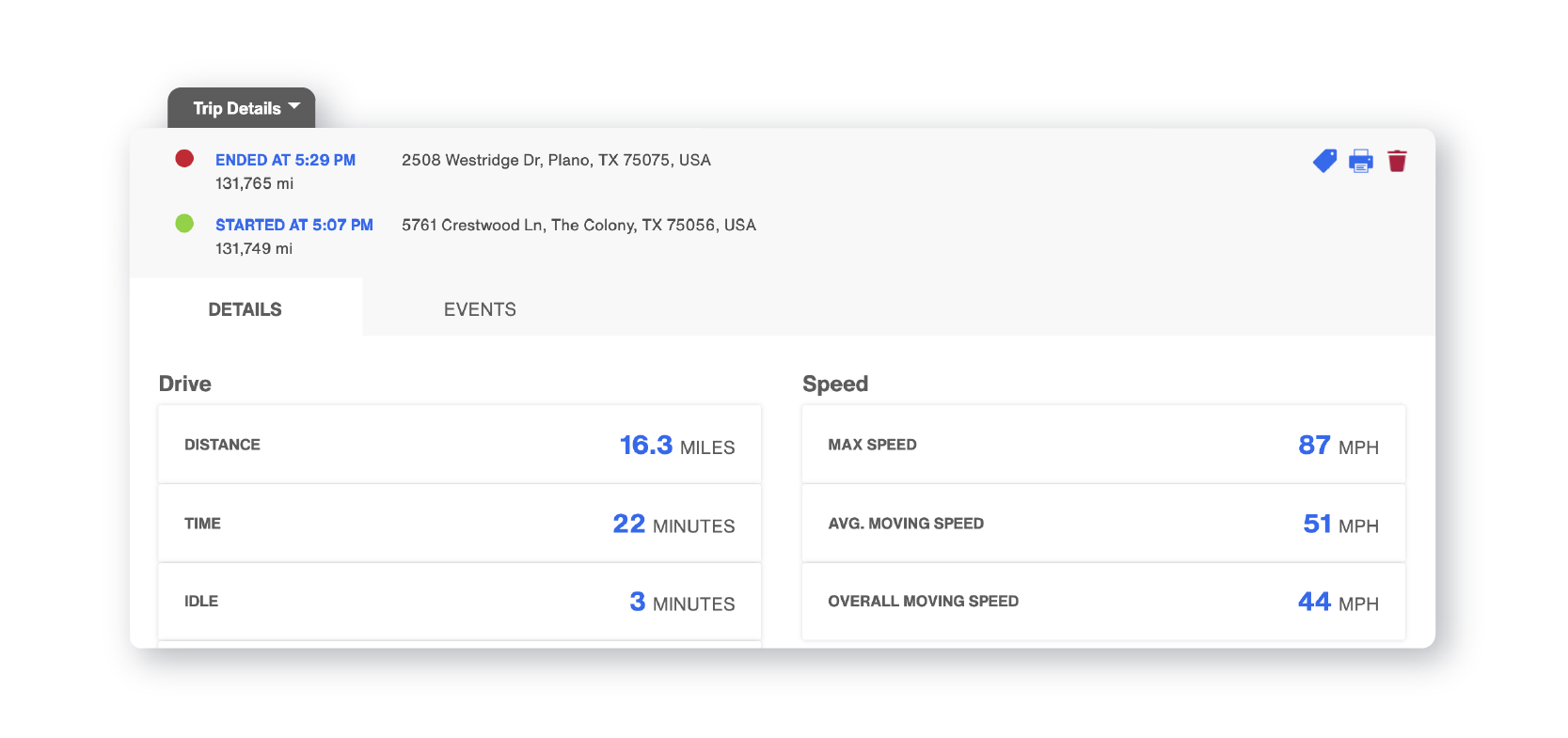
Even small adjustments to driving habits can make a significant difference in operating costs. With trip history, business owners can easily see where those adjustments should be made and what improvements occur over time.
Fleet owners interested in expanding their visibility can learn more at bouncie.com/fleet.
When Trip History Helps You Solve Mystery Problems
In some situations, trip history becomes more than a driving record. It can help solve everyday mysteries that otherwise turn into frustrating guessing games. For families, it might be as simple as remembering where the car was parked after a busy weekend. Instead of retracing steps, you can check the last trip and see exactly where it ended.
Unexpected mileage is another common situation. When a shared vehicle shows more miles than expected, trip history provides clarity about when and where the extra trips happened. This removes tension and keeps conversations straightforward.
Businesses encounter their own mystery moments. A customer may question whether a technician arrived when scheduled, or a team lead might need to confirm if a vehicle was used outside company hours. Trip history replaces uncertainty with time-stamped facts that are easy to review.
Whether it is resolving billing discrepancies, confirming traffic delays, or retracing a driver’s steps after a missed turn, trip history turns confusion into clarity. These insights help both families and businesses stay informed and avoid misunderstandings before they grow into bigger issues.
FAQs
How long does Bouncie store trip history?
Trip history remains available for the lifetime of your subscription so you can revisit old trips or compare long-term trends whenever needed.
Can I export trip data to a spreadsheet or report?
Yes. You can export your trip information into a spreadsheet format for accounting, tax preparation, or internal reporting.
Will I be notified of risky driving in real time?
Bouncie provides real-time alerts for speeding, hard braking, rapid acceleration, and other safety events.
Is trip data available for multiple vehicles under one account?
Yes. You can track and review trip history for each vehicle individually within the same account.
Insight That Drives Smarter Decisions
Trip history is more than a list of routes. It is a powerful tool that helps families stay connected, supports safer driving habits, and enables businesses to operate with better accountability and efficiency. Once you understand how your vehicles are being used, you can make informed decisions that save time, save money, and add peace of mind.
Bouncie helps bring these insights to life through clear data, accessible reporting, and detailed trip records that grow more valuable the longer you use them. You can begin experiencing the benefits of trip history by exploring Bouncie today.